The Old Fashioned is one of the most timeless cocktails ever created. Known for its simplicity and bold flavor, this drink relies on just a few ingredients—whiskey, sugar, bitters, and garnish. According to insights often featured in The New York Times, the garnish is not just decorative; it plays a key role in enhancing aroma and taste.
The Classic Garnishes
Traditionally, an Old Fashioned is finished with two essential garnishes:
1. Orange Peel
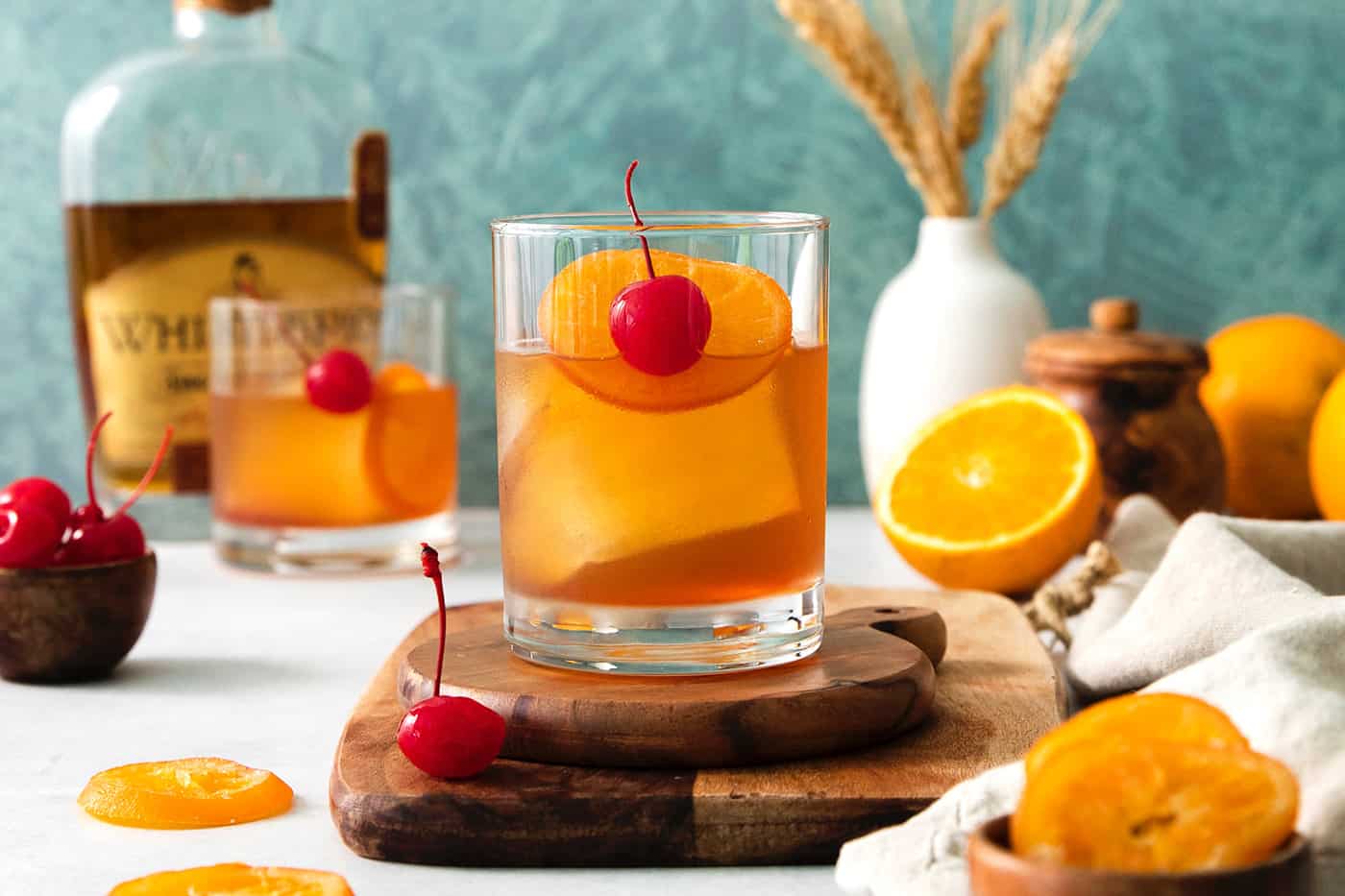
The orange peel is considered the signature garnish. Bartenders typically twist it over the glass to release essential oils, adding a bright citrus aroma that balances the richness of the whiskey. This small step significantly elevates the drinking experience.
2. Cocktail Cherry
A high-quality cherry—often a Luxardo or maraschino cherry—is added for a subtle sweetness. It complements the bitters and whiskey while also giving the drink a refined appearance.
Why Garnishes Matter
Garnishes in an Old Fashioned are more than visual elements. They:
- Enhance the aroma before the first sip
- Add slight flavor complexity
- Create a polished, professional presentation
The approach highlighted by The New York Times emphasizes restraint—keeping the drink simple and avoiding overcomplicated additions.
Modern Variations
While purists stick to orange peel and cherry, modern mixologists experiment with creative twists:
- Lemon peel for a sharper citrus note
- Smoked orange peel for a deeper, smoky aroma
- Brandied cherries for a richer flavor profile
- Herbs like rosemary for a contemporary touch
These variations can add personality, but they should never overpower the core flavors of the cocktail.
Common Mistakes to Avoid
When garnishing an Old Fashioned, keep these tips in mind:
- Avoid using too many garnishes at once
- Don’t rely on artificial cherries with overly sweet syrup
- Skip pre-cut, dry citrus peels—fresh is always better
Final Thoughts
The beauty of the Old Fashioned lies in its balance and simplicity. Whether you follow the traditional route or experiment with modern ideas, the garnish should always complement—not compete with—the drink. As often reflected in guidance from The New York Times, a well-chosen garnish transforms a good Old Fashioned into a great one.