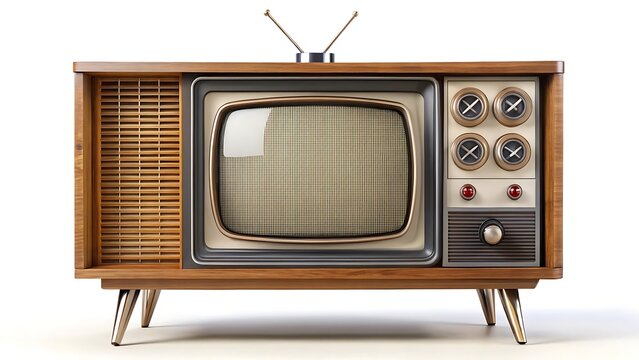
Before flat screens and streaming apps took over, watching television often meant adjusting a pair of metal rods on top of your TV set. These classic antennas became so iconic that they earned a humorous nickname still recognized today: “rabbit ears.”
The Origin of “Rabbit Ears”
The term “rabbit ears” comes from the antenna’s shape. Early indoor TV antennas featured two thin, extendable rods that could be angled in different directions to improve signal reception. When positioned upright, they resembled the long ears of a rabbit—hence the playful name.
This nickname quickly became part of everyday language, especially during the golden age of analog television. Even today, many people use the term nostalgically when referring to older TV equipment.
Why the Name Stuck
There are a few reasons why “rabbit ears” became such a widely accepted jocular term:
- Visual resemblance: The antenna’s shape made the comparison obvious and memorable.
- Household familiarity: Nearly every home with a television had one, making the term universal.
- Lighthearted tone: The name added a bit of humor to an otherwise technical device.
A Symbol of the Analog Era
Rabbit ears antennas were essential for picking up over-the-air broadcast signals before cable and satellite TV became common. Viewers often had to adjust them manually—sometimes even wrapping foil around the tips—to get a clearer picture.
This hands-on experience became part of the culture of watching TV. Phrases like “Hold it right there!” or “Don’t move!” were common as someone tried to keep the signal steady.
Modern Usage of the Term
Today, “rabbit ears” is still used jokingly in conversations, crossword puzzles, and pop culture references. While modern digital antennas are more advanced and less visible, the old nickname continues to evoke nostalgia for simpler times in home entertainment.
Final Thoughts
So, what is an old fashioned TV antenna called jokingly? The answer is simple: rabbit ears. It’s a term that blends humor, history, and a touch of nostalgia—reminding us of an era when watching TV required a little patience and a lot of adjusting.